
Art is not just a means of personal expression; it is a universal language that transcends cultural, social, and geographical boundaries. From the earliest cave paintings to modern digital art, it has been a way for humanity to communicate emotions, ideas, and experiences that words alone often cannot capture. Art allows individuals to explore and express their thoughts, dreams, and struggles in a way that resonates with others across time and space. It bridges the gap between the past and present, ensuring that every generation can connect with the art of those who came before.
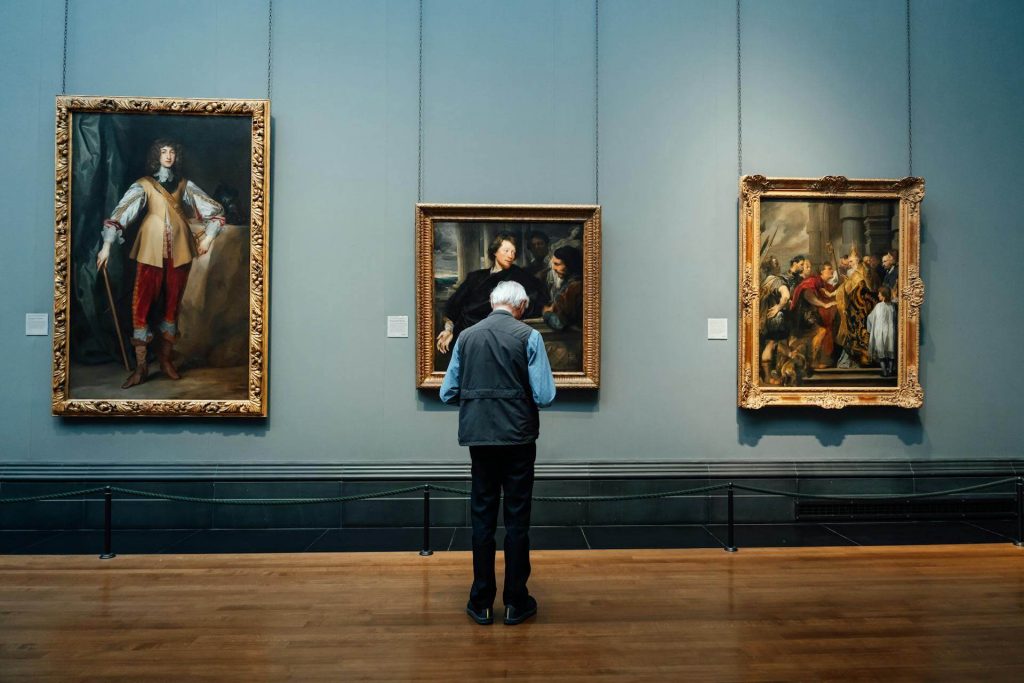
Art as a Reflection of Society
Art mirrors society, reflecting its values, struggles, and transformations. Throughout history, art has been a powerful tool for social change, capturing the essence of social movements and political climates. From the protest paintings of the Renaissance to the political cartoons of modern times, art gives a voice to the marginalized, challenges societal norms, and brings attention to injustice. The rise of street art, for example, has given the public a voice in public spaces, while contemporary art challenges established conventions and invites society to rethink its perceptions. Art constantly evolves with the world, making it a timeless reflection of human culture.
The Diverse Forms of Artistic Expression
Art is incredibly diverse and manifests in numerous forms. Visual arts such as painting, sculpture, and photography allow artists to create tangible representations of their imagination. Meanwhile, performing arts like theater, dance, and music bring emotions to life through movement and sound. Digital art has recently gained immense popularity, using technology to push the boundaries of creativity. Each form of art serves its own purpose but ultimately shares a common goal: to move and inspire its audience. Art is no longer confined to galleries or theaters; it lives in the streets, on social media, and even in the virtual world, evolving with every new generation.
The Emotional Impact of Art
One of the most powerful aspects of art is its emotional impact. Art has the ability to evoke deep emotions, whether it’s joy, sadness, anger, or nostalgia. A single painting can make you reflect on your life, a song can take you back to a specific moment in time, and a play can leave you with a sense of hope or despair. The emotional power of art makes it a transformative experience for both the artist and the audience. It allows people to connect with their own feelings, as well as the experiences of others, often helping them process their emotions and find healing.
Art’s Role in Shaping the Future
As we look ahead, the role of art in society remains as crucial as ever. Art is not just a reflection of our current world; it has the power to shape the future. It inspires innovation, fuels conversations about important issues, and can even change the way we see the world. In today’s fast-paced, technology-driven world, art continues to serve as a reminder of our humanity, our creativity, and our capacity for empathy. As society faces challenges such as climate change, social inequality, and political unrest, art has the potential to unite people, drive change, and spark new ways of thinking. Whether it’s through activism, education, or simply inspiring one person at a time, art is an ever-evolving force that can shape the future in profound ways.